Culture & History
Agricole rum: the story of a Martinique appellation
Villa Kaïbana March 12, 2026 5 min read
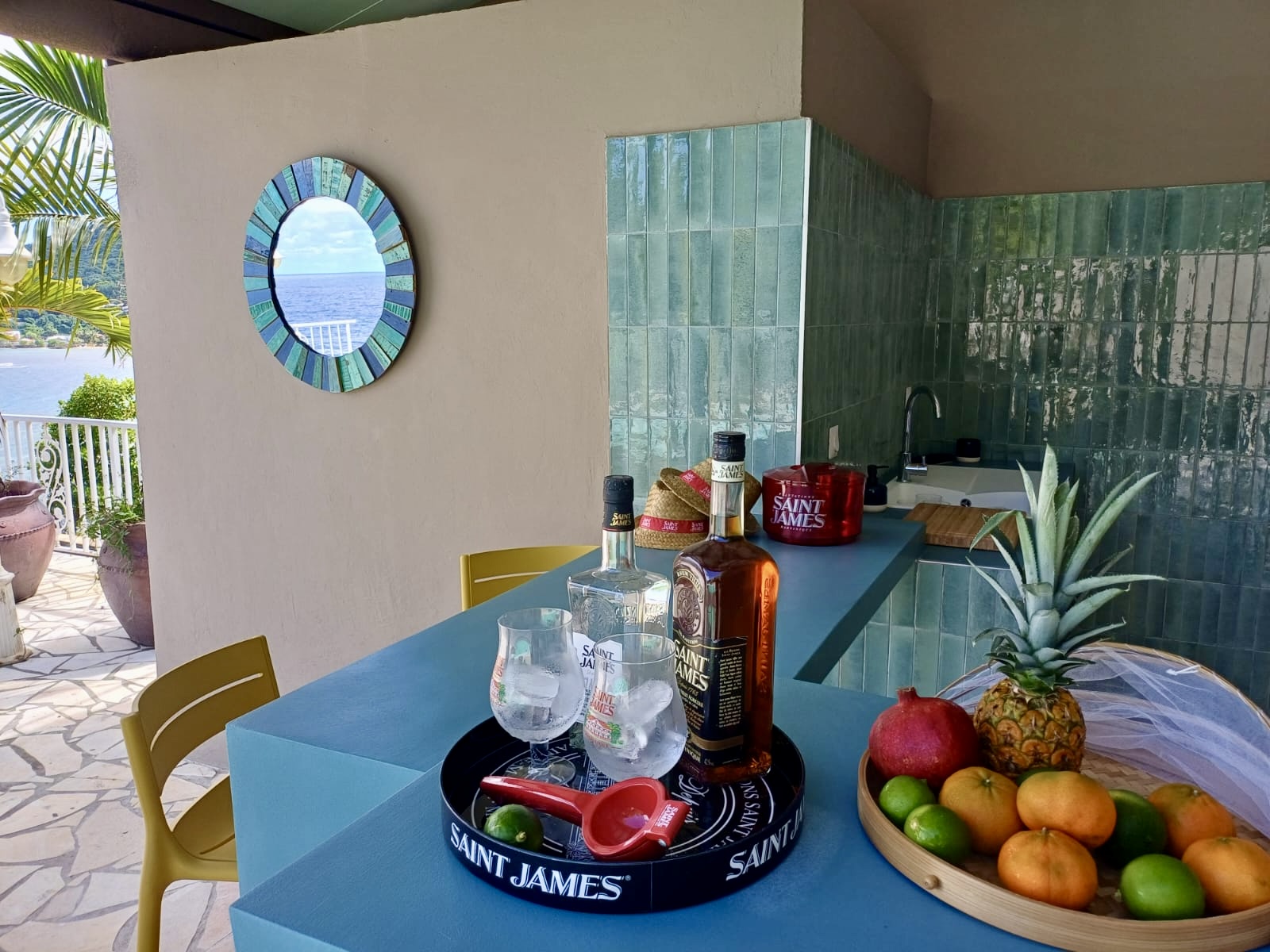
At sunset, on the terrace, the ritual never changes: a pour of white rum, a thread of cane syrup, a wedge of lime squeezed with your fingertips. This is the ti’punch — the apéritif of all Martinique. And there’s far more than a drink in that glass: there’s an island, its history, and a craft the rest of the world quietly envies.
Because Martinique distils a rum apart. Not a molasses rum like the ones made across the tropics, but a rum born from the pure juice of fresh-cut cane — the only one in the world protected by a controlled designation of origin. From the cane rippling over the hills of the Caravelle to the glass on the table, here is the story of this liquid terroir: where it comes from, what makes it unique, how to read it on a label, and where to taste it, just steps from the villa.
From sugar to rum: the birth of a terroir
For two centuries, Martinique lived for sugar. The estates crushed the cane, crystallised the sugar, and distilled rum only from molasses — the thick syrup left once the sugar is drawn off. Rum was merely a by-product.
Everything changed in the 19th century. The rise of beet sugar in Europe sent the price of cane sugar crashing; the ruined estates needed a way out. Their idea: to stop making sugar and distil the freshly pressed cane juice instead. This “rhum z’habitant” gave a brighter, greener spirit — the birth of agricole rum. The phylloxera crisis, which devastated France’s vineyards and starved the brandy market, did the rest: Martinique’s rum found its buyers.
You’ll often read that Père Labat, a Dominican missionary, “invented” rum at the end of the 17th century. The truth is more nuanced: he refined the distillation of sugar’s by-products, long before anyone thought to distil cane juice itself. Agricole came later — and it is thoroughly Martinican.
What exactly makes it “agricole”?
The difference comes down to one thing: the raw material. Agricole rum is distilled from freshly pressed cane juice — the vesou — and from that alone. So-called “traditional” or “industrial” rum, the kind that dominates the world, starts from molasses.
That choice changes everything. Once pressed, the vesou ferments for only a few days, then runs through the colonne créole, the island’s signature still. Off the column, the rum comes out at 65 to 75 percent. In the glass, agricole keeps the taste of the cane: grassy, fresh, sometimes floral or peppery notes, where a molasses rum leans sweet and round. It’s a rum that tastes of a place.
An appellation born in 1996
On 5 November 1996, a decree enshrined this craft: Martinique was granted the controlled designation of origin “rhum agricole de la Martinique.” It was a world first — no other rum on earth holds an AOC — and the first French AOC ever awarded outside mainland France. It took nearly twenty years of negotiation to get there.
Like a fine wine, the appellation lays down a strict set of rules: the cane is harvested between January and August, across just 23 communes — including La Trinité and Sainte-Marie, right here on the Atlantic coast. The juice ferments for a few days at most, distillation runs through the creole column, and every detail, from yield to irrigation, is governed. Nothing is left to chance: that is what terroir means.
Reading a label: white, wood-rested, aged
Three broad families, easy to tell apart once you hold the key:
- White rum (blanc), clear, bottled after a few months’ rest. It’s the base of the ti’punch: bright, direct, all cane.
- Wood-rested rum (élevé sous bois), often called “paille” or “ambré”, at least twelve months in oak: it takes on a golden colour and rounder notes.
- Aged rum (vieux), matured at least three years in small oak casks. The marks VO (3 years), VSOP (4 years), then XO and hors d’âge (6 years and up) chart a climb in complexity — wood, spice, candied fruit — with nothing to envy a good cognac.
All are bottled at a minimum of 40 percent. An aged rum is best sipped neat, at room temperature; a white one calls for lime.
Distilleries worth a visit
The closest to the villa sits in Sainte-Marie, a few minutes’ drive away: Saint-James, whose cane fields tumble down toward the sea and which you can tour aboard a little train. It’s here that Hardy rum has been distilled since 1994 — the year the Tartane distillery closed; you can still spot its remains, just outside the village.
Elsewhere on the island, each house has its own character: Depaz, at the foot of Mount Pelée; Neisson and La Favorite, the last family-run distilleries; JM, up in the far north; or Clément and HSE, both distilled at the Simon distillery in Le François. Many can be visited free of charge, cellar and shop included — a fine outing for a cloudy afternoon.
The taste of Martinique
Which leaves the most important part: drinking it. You make your own ti’punch — that’s the tradition. They hand you the bottle, the syrup, the lime, and everyone mixes to their own hand: “chacun prépare sa propre mort,” they say here with a smile — everyone prepares their own demise. No ice, or barely any.
And then there’s rhum arrangé: a white rum left to steep for weeks with fruit, vanilla, spices. Every household has its recipe, jealously guarded. At Villa Kaïbana, it’s the one waiting on the terrace as evening falls — the real taste of Martinique, within arm’s reach.
Read next
Culture & History
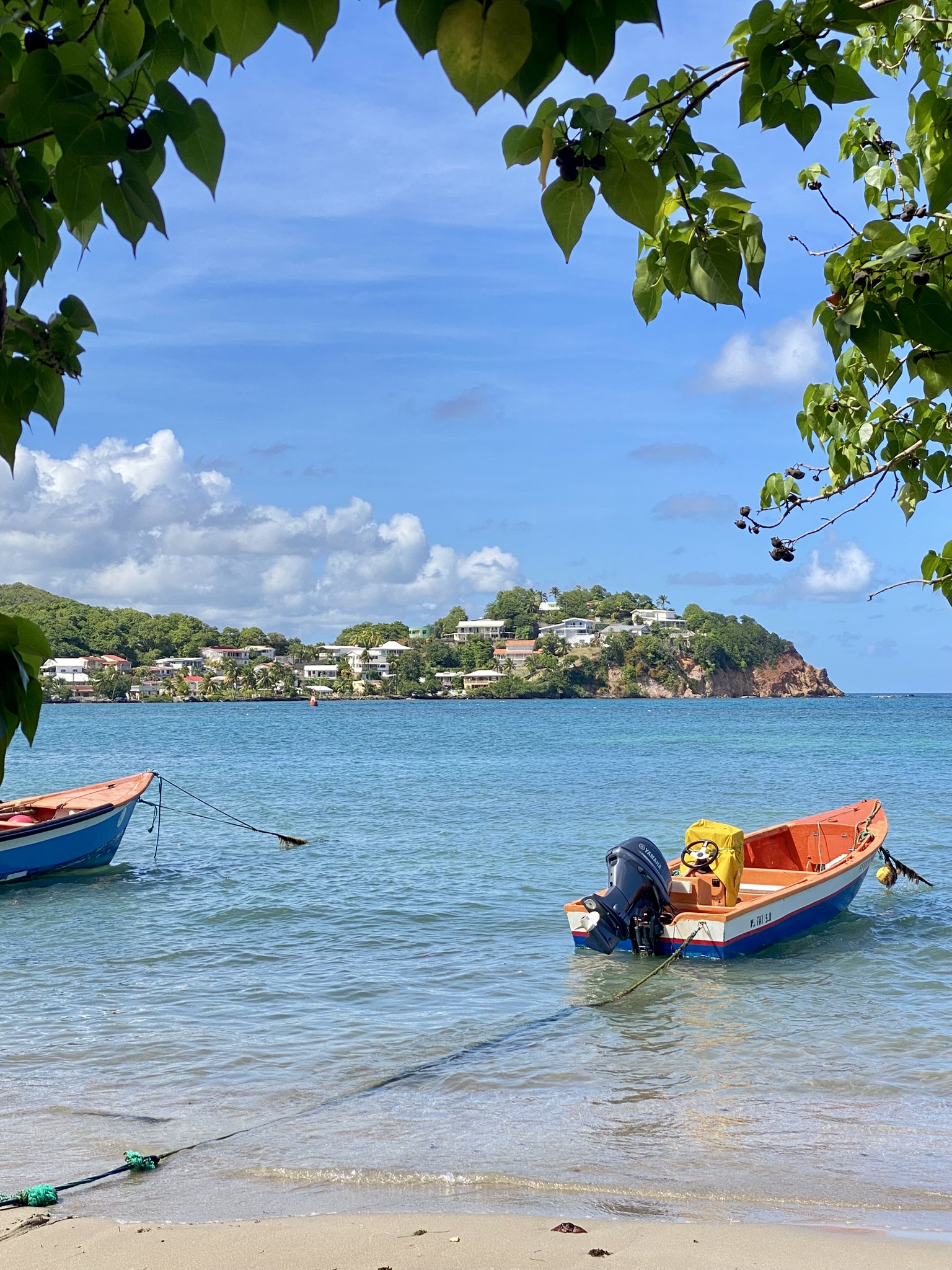
Tartane, the fishing village of the Caravelle
Clinging to its isthmus, Tartane lives to the rhythm of its gommiers and the swell. Its history, its beaches and its seafront tables, a few steps from the villa.
July 12, 2026 · 5 min read
Culture & History
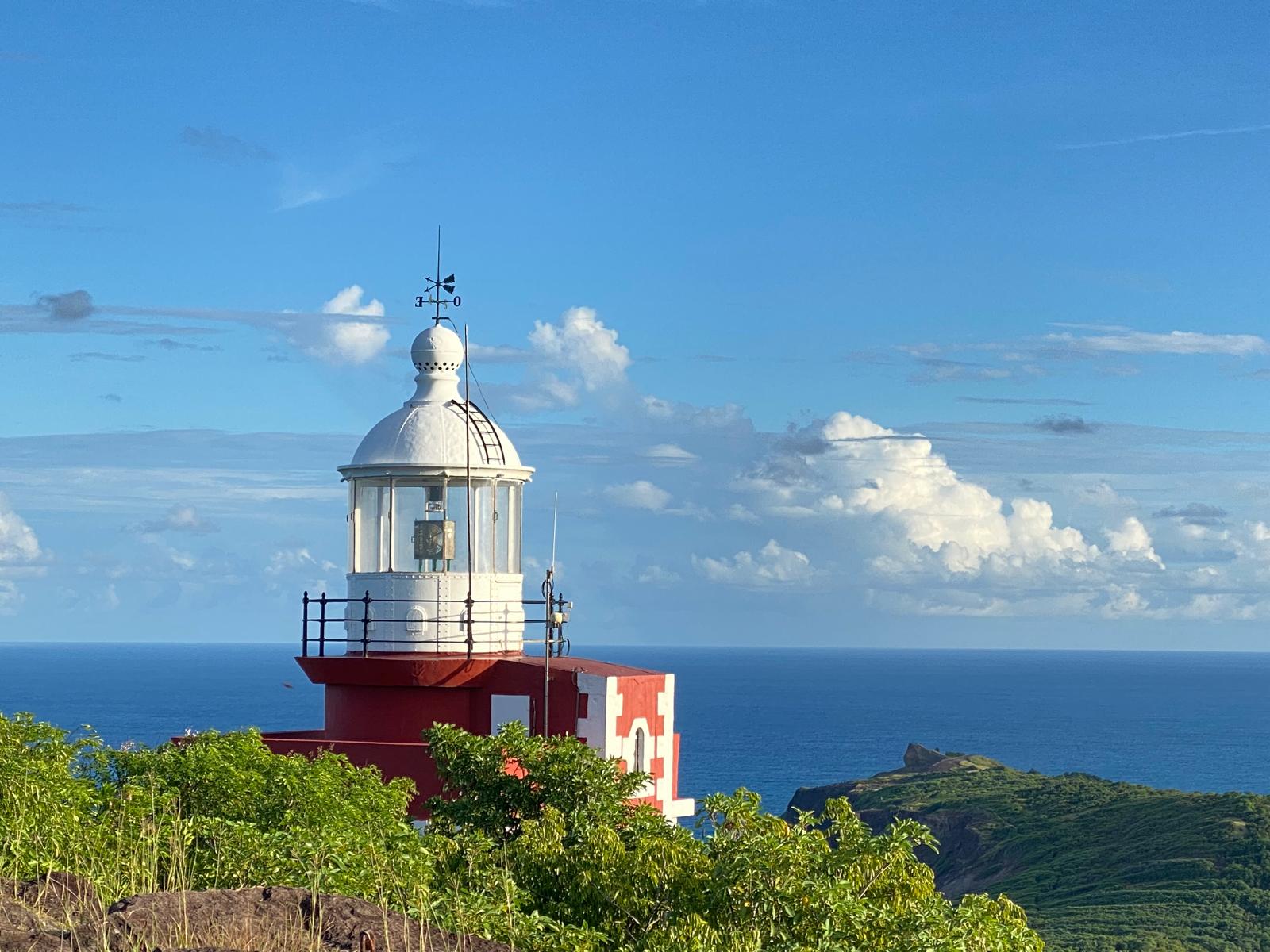
The Caravelle Lighthouse: sentinel of the Atlantic
Lit in 1862, one of the highest lighthouses in France stands guard over the Caravelle peninsula. Its history, its 360° view and the walk up to it, steps from the villa.
July 2, 2026 · 5 min read
Sports
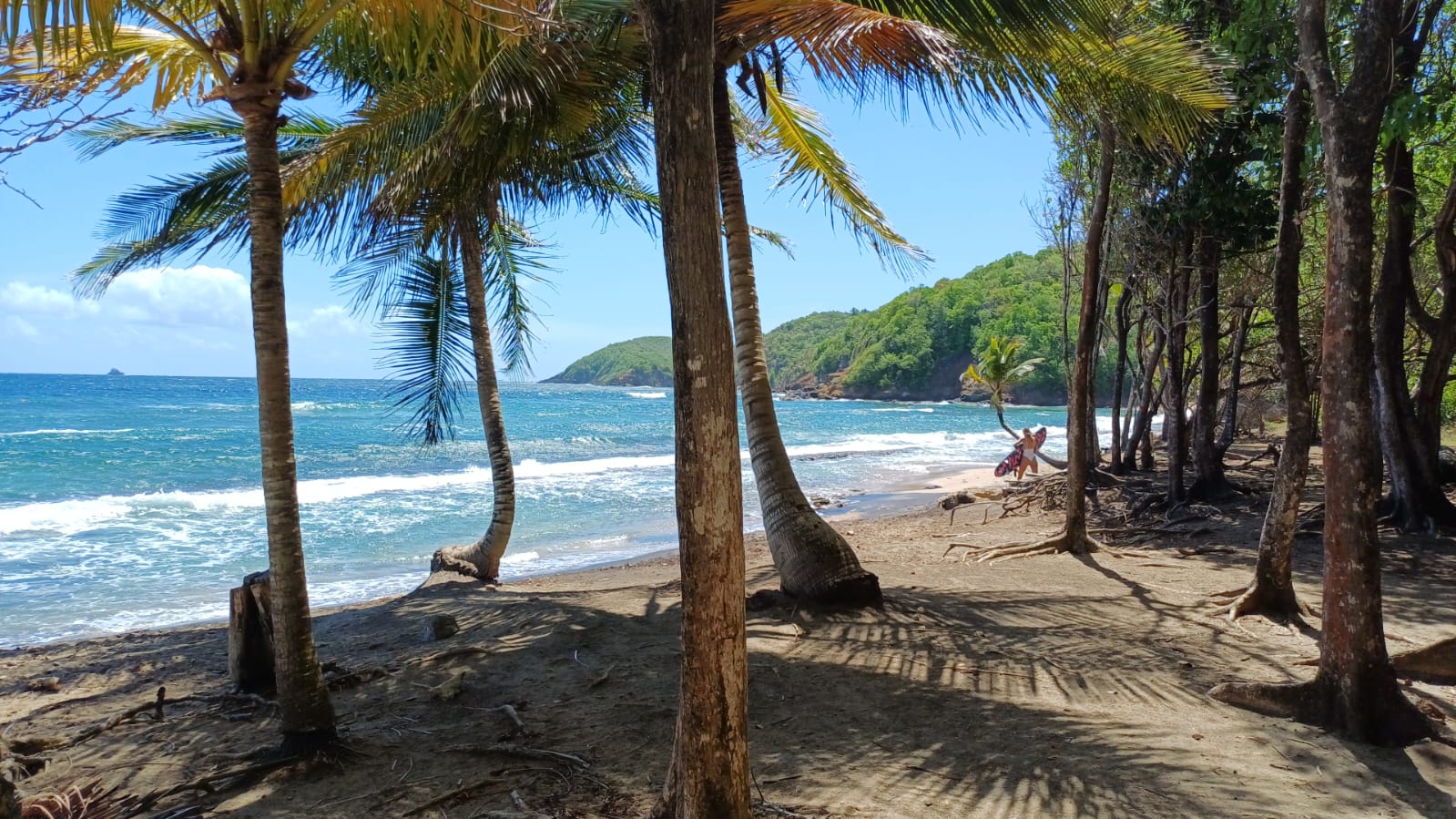
Surfing in Tartane: A Guide to the Surfers' Beach
Steady waves, a perfect exposure and surf schools right on the sand: in Tartane, the Surfers' Beach is the ideal spot for a first session, steps from the villa.
June 1, 2026 · 4 min read